
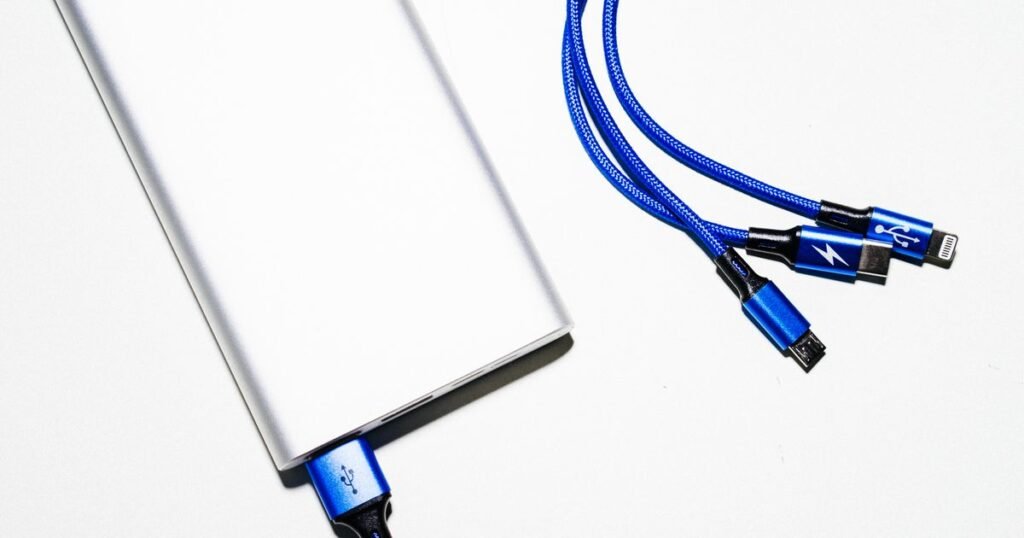
The storm is two days out and you finally drag the bin out of the closet. The flashlight does nothing. You pop the battery door and a white crust has grown across the contacts like salt on a windshield. The weather radio is the same. The power bank you bought specifically so the phones would survive a long outage reads twelve percent. Everything in that bin that needs electricity has quietly failed, and the food — which everybody worries about — is fine.
Batteries: the component that destroys everything around it
This is the single biggest reason an emergency kit fails, and the failure is not that the batteries went flat. It is that they leaked and ruined the device they were sitting inside. An alkaline AA left in a flashlight for four years will vent, and whatever it vents onto is usually gone.
The fix is almost embarrassingly simple: store every battery outside the device. Tape them in a bundle, drop them in a zip bag, lay them in the bin next to the hardware. You lose ten seconds loading them. You gain hardware that works.
- Alkaline, the normal ones: 5 to 10 years on the shelf, and they leak as they age. These are what wreck your gear.
- Lithium AA and AAA: 10 to 20 years, and they do not leak the way alkalines do. Roughly three times the price, and the one upgrade genuinely worth paying for in a kit that sits untouched.
- Rechargeable NiMH: these self-discharge. A pack charged in 2024 is at maybe 70 percent now. Low-self-discharge cells — the Eneloop type — hold around 70 percent after ten years, which is a completely different proposition.
- Lithium coin cells in the radio and the alarms: 10 years, and they die abruptly rather than fading.
Standardise on one size. AA, ideally. A kit where the lantern takes D cells, the torch takes CR123 and the radio takes AAA is a kit where two of the three are dead when you open it.
Power banks: the item everyone owns and nobody maintains
A lithium power bank is not a tank you fill once. It loses charge sitting still, and it degrades faster when stored at the extremes.
- Self-discharge runs a few percent a month. A bank charged eight months ago is somewhere around half, and the cheap ones are worse.
- Store it at roughly half charge, not full. Lithium cells age fastest sitting at 100 percent, especially warm. The kit bank should live at 50 to 70 percent and get topped up on a schedule.
- Not in the car. Heat is what kills these. A bank that spent two summers in a glovebox has lost most of its real capacity.
- Capacity is not what the label says. A 10,000 mAh bank delivers roughly 6,000 to 7,000 mAh after conversion losses — about two phone charges, not three.
Size it honestly: 20,000 mAh is the sensible household number. That is four or five phone charges, which is three days of rationed use for two people. Make sure it has a USB-C port that does both input and output, so one cable serves everything.
The radio, and why it still earns its space
When the cell network is congested or down, broadcast still works, because it is one transmitter talking to everyone rather than a tower negotiating with each phone.
What to look for in order: NOAA weather band with alert tone, AA batteries rather than a sealed internal cell, and a crank as the third fallback rather than the main plan. A minute of hard cranking typically buys a few minutes of listening — it is genuinely a last resort.
Test it twice a year. A radio that has sat unused for three years with alkalines inside is usually a radio with corroded contacts.
The devices that expire without telling you
- Smoke and carbon monoxide alarms. The whole unit expires, not the battery — smoke at 10 years, CO at 5 to 7. The sensor degrades and eventually stops detecting. There is a manufacture date printed on the back. If you have never looked, the odds are good one in your house is past it.
- Fire extinguisher. Gauge in the green. Disposable units around 12 years, rechargeable need servicing every 6. Turn it upside down and shake twice a year so the powder does not cake into a brick.
- The USB drive with your documents on it. Flash memory does lose charge over years when unpowered. Plug it in once a year and copy the files off and back on — that rewrites the cells. A drive you wrote in 2021 and never touched is not a drive you should rely on.
- The phone backup you assume exists. Open the Photos app and look at the status line at the bottom of the library. “Not enough iCloud storage” sitting there, dated to a month you do not remember, is the most common version of this failure.
The charging schedule that makes it all work
Everything above comes down to one habit, and tying it to something you cannot forget is what makes it happen. Use the clock change, twice a year:
- Pull every battery out of every device. Bundle and bag them separately.
- Test each light and the radio with a fresh cell. Anything corroded goes out now, not later.
- Top the power bank back to around 60 percent. Note the date on tape stuck to it.
- Plug in the document USB drive, copy the folder off and back on, and add anything new.
- Read the manufacture date on the back of every smoke and CO alarm.
- Check the extinguisher gauge, then flip and shake.
- Open the phone and confirm the photo backup actually says it is up to date.
Twenty minutes, twice a year. The difference between a bin full of equipment and a bin full of expired intentions is entirely in that list.