The bananas went black in four days next to the apples. The bread in the fridge went stale faster than the loaf left on the counter. The bag of potatoes under the sink sprouted and the onions beside them turned to liquid in the bottom of the bag. None of that was bad luck. Every one of them is a known interaction between two things that should not have been stored together, and the fixes cost nothing at all.
The gas problem: ethylene
Some fruit emits ethylene gas as it ripens. Other produce is highly sensitive to it and ripens, then rots, when exposed. Put a producer next to a sensitive item and you have built a small accelerator.
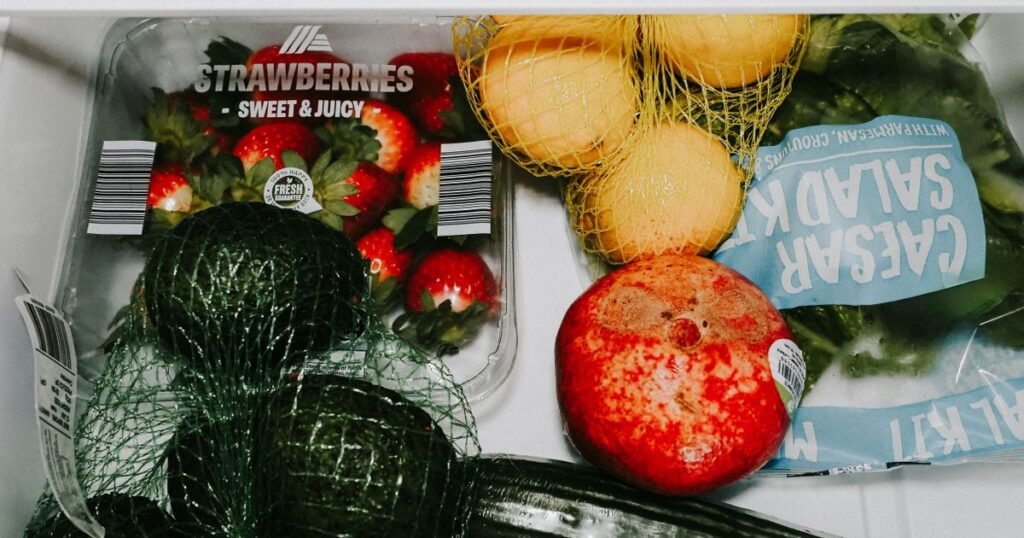
Strong producers — store these alone: bananas, apples, avocados, tomatoes, peaches, pears, plums, melons, mangoes.
Sensitive — keep away from the above: leafy greens, broccoli, cucumbers, carrots, potatoes, asparagus, green beans, berries, peppers.
Which gives you three free improvements today: move bananas off the fruit bowl and away from everything, keep apples in the fridge drawer by themselves, and stop storing potatoes next to onions — onions are the one that spoils potatoes fastest.
You can also use it deliberately: an unripe avocado in a paper bag with a banana ripens in a day.
What does not belong in the refrigerator
Cold damages some foods outright:
- Tomatoes — below 55°F the membranes break down and the flavour compounds stop developing. Counter, stem side down.
- Potatoes — cold converts starch to sugar; they turn sweet and go dark when cooked. Cool, dark, ventilated, never a sealed bag.
- Onions and garlic — need airflow. Refrigeration makes them soft and mouldy. A basket in a dark cupboard.
- Bread — see above.
- Honey — crystallises. Never spoils at room temperature.
- Stone fruit, melons, bananas — until they are ripe. Then the fridge slows them down.
- Basil — blackens in the cold. Stems in a glass of water on the counter.
- Olive oil — goes cloudy and solid. A dark cupboard, away from the stove.
The refrigerator has zones
It is not one temperature, and using it as if it were is why things spoil early.
- The door is the warmest part, and it swings through warm air several times a day. Condiments only. Milk and eggs should not live there, which is unfortunate given most fridges have a moulded egg rack in the door.
- Top shelf — most stable. Leftovers, drinks, ready-to-eat items.
- Middle shelf — dairy and eggs, in their carton. The carton protects against odour absorption and physical damage.
- Bottom shelf, at the back — the coldest. Raw meat, fish and poultry, on a plate or tray, so nothing drips onto anything below it.
- Crisper drawers — these have a humidity slider and it does something. High humidity (closed vent) for things that wilt: leafy greens, herbs, carrots. Low humidity (open vent) for things that rot: apples, pears, stone fruit, anything that produces ethylene.
And the number that governs all of it: the fridge should be at or below 40°F and the freezer at 0°F. Put a thermometer in each — many home fridges run several degrees warm and nobody knows.
Specific items worth getting right
Herbs. Trim the stems, stand them in a jar with an inch of water, loose bag over the top, in the fridge. Three weeks instead of four days. Basil is the exception — same treatment but on the counter.
Leafy greens and lettuce. The enemy is moisture on the leaves. Wash and dry thoroughly, then store with a dry paper towel in the container to absorb what remains. Change the towel when it is damp.
Berries. Do not wash until you eat them. Water on the skin is what grows mould. If they came in a clamshell, line it with paper towel and leave the lid cracked.
Mushrooms. Paper bag, never plastic. Plastic traps moisture and they go slimy.
Celery, carrots, asparagus. Upright in a couple of inches of water, like flowers. Celery wrapped tightly in foil keeps for weeks.
Cheese. Not plastic wrap — it suffocates. Wax or parchment paper, then loosely in a bag.
Flour, rice, nuts. Nuts and whole-grain flour contain oil that goes rancid at room temperature in a few months. Both belong in the freezer, where they keep for a year or more.
Coffee. Airtight, at room temperature, away from light. Not the freezer for a bag you are using daily — condensation every time you open it is worse than the staling you are preventing.
The freezer, used properly
- Flat and thin. Freeze liquids and ground meat flat in a bag. They freeze faster, stack better, and thaw in a third of the time.
- Squeeze the air out. Freezer burn is dehydration caused by trapped air. Less air, less burn.
- Label with the date and what it is. Everything looks the same at month four.
- Keep it full. A full freezer holds temperature far better. Fill gaps with jugs of water.
- Freezer burn is not dangerous — it is a texture and flavour problem. Cut the affected part off and use the rest.
Three changes to make this week
- Move the bananas away from everything else, and the apples into the fridge drawer alone.
- Separate the onions and potatoes, both out of plastic, both in the dark with airflow.
- Put a thermometer in the fridge and find out whether it is actually at 40°F.
Those three cost under ten dollars and will cut what you throw away more than any container system you can buy.