The shirt was fine when it went in. It came out of the dryer with a faint yellow shadow across the front that was not there before, and now it is permanent, because the dryer is where a stain goes to become part of the fabric forever. The frustrating part is that it was removable an hour earlier. You just used hot water on something that needed cold, which turned a cup of coffee into a dye job.
The four families
You do not need thirty products. You need to know which of four kinds of stain you are looking at, because each is undone by a different mechanism.
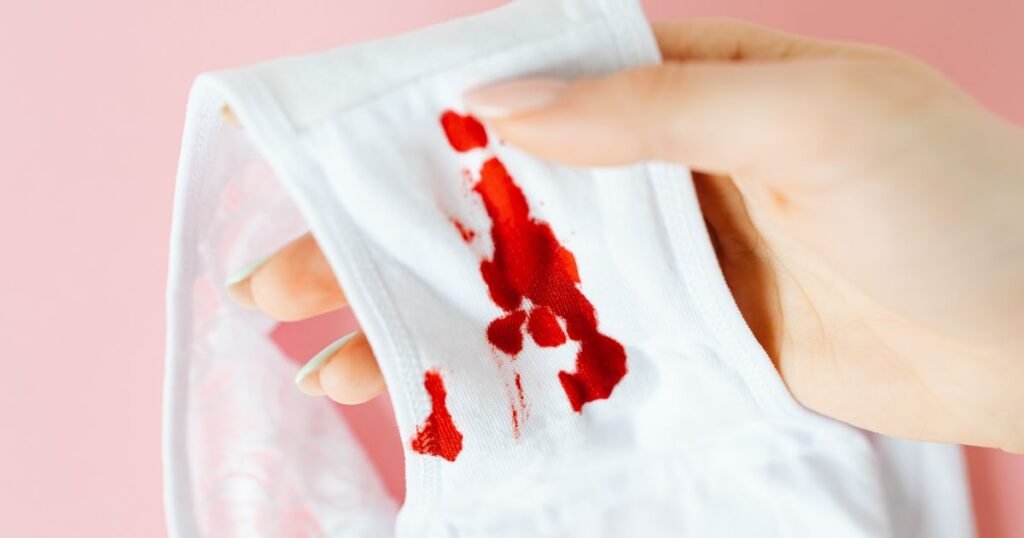
- Protein — blood, egg, milk, sweat, grass, vomit. Cold water only. Heat cooks the protein into the fabric the way an egg sets in a pan.
- Tannin — coffee, tea, wine, fruit juice, soft drinks. Cold water, never soap first. Bar soap sets tannin stains.
- Oil and grease — butter, salad dressing, makeup, motor oil, lipstick. Hot water and a degreaser. This is the one family where heat helps.
- Dye — ink, mustard, turmeric, berries, hair colour. Alcohol or oxygen bleach. The hardest of the four, and the one most likely to be permanent.
Get the family right and the rest is mechanical. Get it wrong — hot water on blood, soap on wine — and you have made it worse in the first thirty seconds.
Blood
Cold water, immediately. Run it from the back of the fabric so you push the stain out rather than through. For a dried stain, soak in cold salted water for an hour, then work in a little hydrogen peroxide — it will foam, which is it working. Test peroxide on a hidden seam first on anything coloured.
Never hot water, never a hot iron, never the dryer until it is fully gone.
Coffee, tea and red wine
Blot, do not rub — rubbing drives it into the weave and breaks fibres. Then flush with cold water from behind.
For red wine, the thing that actually works is not salt or white wine. It is hydrogen peroxide mixed with a drop of dish soap, three parts to one. Apply, wait twenty minutes, rinse. On white cotton this is close to magic. Test first on anything dyed.
For coffee on a light fabric, a paste of oxygen bleach powder and a little water, left on for an hour, lifts what the wash alone will not.
Grease and oil
This is the family that behaves opposite to everything above.
- Cover the stain in cornstarch or baby powder and leave it fifteen minutes. The powder pulls the oil out of the fibre.
- Brush it off.
- Work liquid dish soap directly into the spot with your thumb. Dish soap is built for exactly this.
- Wash in the hottest water the fabric allows.
Old set-in grease — the collar ring, the shadow on a kitchen apron — responds to dish soap plus a tablespoon of washing soda, worked in and left for an hour.
Ink
Put a folded towel under the stain so the ink has somewhere to go. Dab — do not pour — isopropyl alcohol or plain hand sanitizer onto the mark from above. The ink will transfer into the towel. Move to a clean part of the towel as it loads up, or you will just redistribute it.
Hairspray used to be the standard advice and no longer works, because modern formulas removed the alcohol that was doing the job.
Sweat stains and yellow collars
That yellow is not dirt. It is the aluminium in antiperspirant bonded with body oils, which is why ordinary detergent slides off it.
What shifts it: one part dish soap to two parts hydrogen peroxide, plus a tablespoon of baking soda to make a paste. Scrub it in with an old toothbrush, leave for an hour in the sun if you can, then wash warm. Repeat before drying if a shadow remains.
Chlorine bleach makes these worse, not better. It reacts with the proteins and deepens the yellow.
Grass, mustard, tomato
Grass is a dye plus protein. Rubbing alcohol on the stain first to break the chlorophyll, then cold water and a protein-friendly detergent.
Mustard is turmeric, a genuinely aggressive dye. Cold rinse, then glycerin or dish soap, then sunlight — turmeric fades visibly in UV. Hot water sets it permanently.
Tomato sauce is tannin plus oil. Scrape off the solids, cold rinse from behind, dish soap for the oil, then oxygen bleach for what is left.
The order that works on anything unknown
- Blot up what is sitting on the surface. Never rub.
- Flush with cold water from the back of the fabric. Cold is the safe default — it never sets anything.
- Decide the family: protein, tannin, oil or dye.
- Treat with the matching agent and give it fifteen to thirty minutes. Patience does more than scrubbing.
- Wash as the care label allows.
- Look at it wet, in daylight, before it goes anywhere near the dryer.
- Still there? Repeat from step 3. Air dry if you run out of attempts — you can always try again on a dry shirt you did not bake.